Oak trees are a major part of the Austin landscape, but there are times when an oak should be removed instead of pruned or treated. The timing matters, especially because of oak wilt and the risk of spreading the disease through fresh wounds.
For planned oak tree removal, late fall and winter are generally the better times to schedule the work. However, a hazardous or storm-damaged oak should not be left standing just because it is the wrong season.
Signs Your Oak Tree May Need to Be Removed
If an oak is dead, severely declining, structurally unsafe, or creating a serious risk to your home or property, removal may be necessary.
Common reasons to remove an oak include:
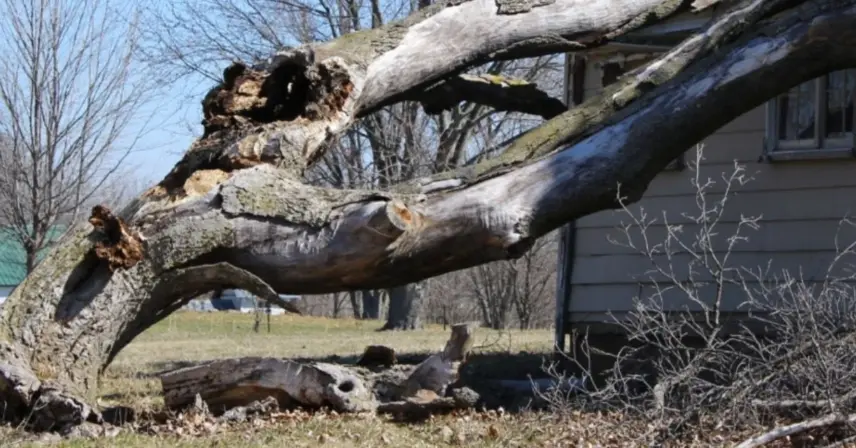
- Severe structural damage or decay
- A tree that is leaning toward a structure
- Large dead limbs that cannot be safely retained
- Major storm damage
- Significant disease or decline
- Root or trunk problems affecting stability
- A tree interfering with planned construction
An inspection can help determine whether removal is actually necessary or whether pruning, monitoring, or another treatment is a better option.
Why Late Fall and Winter Are Better for Oak Removal
For planned work, late fall and winter are usually the preferred periods for oak tree removal in Austin. This is especially important when the work involves cutting, pruning, or otherwise wounding a healthy oak.
Oak wilt is a serious concern in Central Texas. The disease can spread when sap-feeding insects carry fungal spores to fresh wounds on oak trees. For this reason, Texas and Austin guidance recommends avoiding unnecessary oak pruning and wounding during the higher-risk period from February through June.
Scheduling planned oak work during the colder months can reduce this risk and gives property owners more flexibility to address the tree before the higher-risk season begins.
When Should You Avoid Cutting an Oak Tree?
For routine, non-emergency work, avoid unnecessary pruning or cutting of oak trees from February 1 through June 30.
If an oak needs to be removed because it has become dangerous, seasonal timing should not take priority over safety. Storm damage, a severely unstable tree, or a tree threatening a structure may require immediate action.
In these situations, the tree should be evaluated and the safest removal plan determined.
What If Your Oak Tree Is Already Dead or Diseased?
A dead or diseased oak should be evaluated rather than simply left in place.
Trees affected by oak wilt require special consideration because the disease can spread through connected root systems and, in some cases, through insects carrying fungal spores to fresh wounds.
If oak wilt is suspected, removal should be planned carefully. Depending on the situation, additional steps may be needed to reduce the risk of spreading the disease to nearby healthy oaks.
Should You Remove an Oak Before Storm Season?
If an oak is already showing signs of structural weakness, it is better to address the problem before severe weather arrives.
Look for:
- Large dead or broken limbs
- Cracks in major branches or the trunk
- Significant trunk decay
- A new or worsening lean
- Soil heaving around the root zone
- Large exposed or damaged roots
- Branches hanging over the roof, driveway, or other targets
Austin’s spring and summer storms can bring strong winds, hail, and heavy rain. Waiting until after a storm can turn planned tree work into an emergency removal.
Can You Remove an Oak Tree During Spring or Summer?
Yes, but the circumstances matter.
If the tree is an immediate safety concern, removal may be necessary regardless of the season. Emergency work can also be required after a storm damages a tree.
For healthy trees that do not present an immediate hazard, it is usually better to schedule planned oak removal during the lower-risk period rather than unnecessarily cutting the tree during the oak wilt season.
Does Austin Require a Permit to Remove an Oak Tree?
Some oak trees in Austin are regulated under the city’s tree protection rules. Tree size, species, location, and other factors can determine whether a permit or review is required.
Before removing a large oak, check the current City of Austin tree regulations or have the tree evaluated so you know what requirements apply to the property.
What Happens During an Oak Tree Removal?
The removal process depends on the tree’s size, condition, location, and proximity to structures, utilities, fences, and other property.
A typical removal may include:
- Evaluating the tree and surrounding area
- Identifying hazards and access limitations
- Determining whether permits or additional requirements apply
- Planning the safest removal method
- Removing the tree in sections when necessary
- Cutting and removing the remaining trunk
- Cleaning up branches and debris
- Grinding the stump if requested
Large oaks near homes or other structures may require more careful removal because branches and sections of the trunk cannot simply be dropped to the ground.
Should You Remove the Stump After an Oak Tree?
Stump grinding is often completed after tree removal, but the right approach depends on the property and the reason the tree was removed.
If oak wilt is involved, stump work needs additional consideration because grinding alone does not necessarily eliminate underground root connections between nearby oaks. In some cases, additional measures may be needed to reduce the risk of the disease spreading through connected roots.
Schedule an Oak Tree Inspection
If you are unsure whether an oak should be removed, an inspection can help you make the decision before the tree becomes an emergency.
Wild Oak Tree Service provides tree inspections, oak tree removal, stump grinding, and emergency tree services throughout Austin and the surrounding Hill Country.
We can evaluate the tree, discuss your options, and provide a clear estimate for the recommended work.
Call (888) 546-0868 to schedule an oak tree inspection or tree removal estimate.